
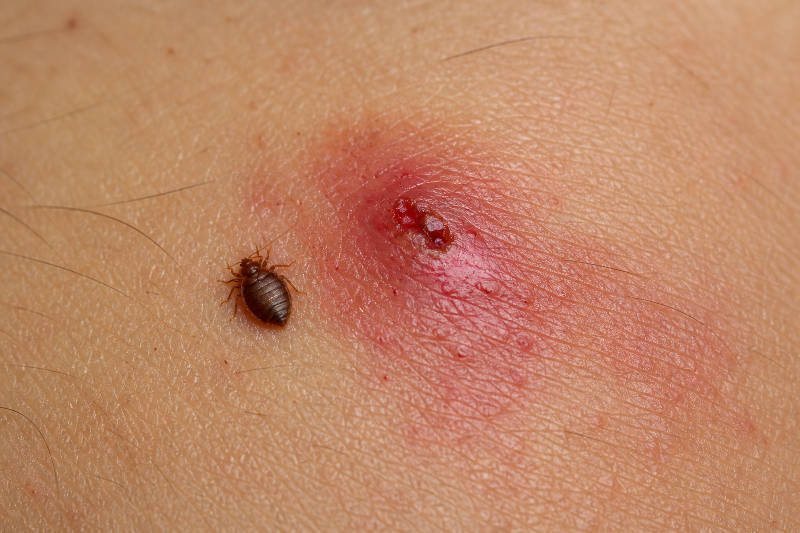
Pest control in Utah is not just a seasonal task—it requires consistent, year-round attention. With hot summers, cold winters, and changing environmental conditions, pests constantly adapt and look for food, water, and shelter inside homes. Preventing infestations early is the most effective way to avoid costly damage and maintain a clean, comfortable living space.
Understanding how pests behave throughout the year allows homeowners to take proactive steps and reduce the likelihood of recurring problems.
Why Year-Round Pest Prevention Matters in Utah
Utah’s climate creates different pest challenges in each season. While some pests are more active during warmer months, others move indoors during colder periods. This continuous cycle means homes are always at risk.
Common factors that contribute to pest infestations include:
- Seasonal temperature changes
- Limited outdoor food sources during winter
- Easy access to water and shelter indoors
- Urban development disrupting natural habitats
Because of these conditions, pest prevention must be consistent rather than reactive.
Seal Entry Points Around Your Home
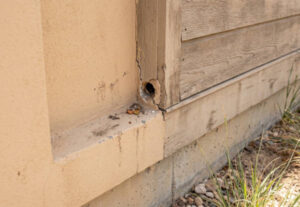
One of the most effective ways to prevent pests is by blocking their entry into your home.
Key areas to inspect and seal include:
- Cracks in walls and foundations
- Gaps around doors and windows
- Openings around pipes and utility lines
- Damaged screens and vents
Even small openings can allow insects and rodents to enter. Regular inspections and maintenance can significantly reduce this risk.
Maintain a Clean Indoor Environment
Pests are attracted to food, moisture, and clutter. Keeping your home clean is a simple yet powerful way to prevent infestations.
Best practices include:
- Wipe down surfaces and clean up spills immediately
- Store food in airtight containers
- Take out garbage regularly
- Avoid leaving pet food out for extended periods
- Declutter storage areas such as garages and basements
A clean environment makes your home less appealing to pests.
Control Moisture and Water Sources
Water is essential for pest survival. Reducing excess moisture can help prevent infestations.
Steps to manage moisture include:
- Fix leaking pipes and faucets
- Ensure proper drainage around the home
- Use dehumidifiers in damp areas
- Clean gutters and downspouts regularly
Pests like cockroaches, ants, and rodents are often drawn to areas with consistent moisture.
Keep Outdoor Areas Well-Maintained

The exterior of your home plays a major role in pest prevention. Outdoor spaces can either attract or deter pests depending on how they are maintained.
Helpful outdoor practices:
- Trim bushes and trees away from the house
- Keep grass cut short
- Remove debris such as leaves and wood piles
- Store firewood away from the home
- Eliminate standing water
Maintaining your yard reduces hiding places and breeding grounds for pests.
Understand Seasonal Pest Patterns
Being aware of seasonal pest behavior helps homeowners take preventive action at the right time.
- Spring: Ants and spiders become active
- Summer: Increased activity from insects like wasps and mosquitoes
- Fall: Rodents begin entering homes for warmth
- Winter: Pests hide indoors and remain active in sheltered areas
Adjusting prevention strategies based on the season improves effectiveness.
Monitor and Act Early
Early detection is key to preventing small pest problems from becoming major infestations.
Watch for signs such as:
- Droppings or unusual odors
- Scratching sounds in walls or ceilings
- Visible insects or nests
- Damage to food packaging or structures
Addressing these signs quickly can prevent larger and more costly issues.
Use Preventative Pest Control Methods
Preventative pest control focuses on stopping infestations before they begin. This includes:
- Regular home inspections
- Targeted treatments when needed
- Maintaining barriers around the home
- Using low-toxicity or eco-friendly solutions when possible
Consistent prevention is often more effective and affordable than reactive treatments.
Why Prevention is More Effective Than Treatment
Once pests establish themselves in a home, they can be difficult to eliminate completely. Prevention reduces the chances of infestations and minimizes long-term costs.
Benefits of prevention include:
- Lower risk of property damage
- Improved health and sanitation
- Reduced need for repeated treatments
- Greater peace of mind year-round
Conclusion
Preventing pest infestations in Utah homes requires a proactive and consistent approach. With pests active in every season, homeowners must focus on sealing entry points, maintaining cleanliness, controlling moisture, and staying aware of seasonal changes.
By following these practical steps, residents in Utah can reduce the risk of infestations and maintain a safer, healthier living environment throughout the year.
Next: Pest Control in Utah: Complete Guide to Year-Round Pest Problems and Solutions