

Pest control in Utah is a year-round concern due to the state’s unique mix of hot summers, cold winters, and rapidly growing communities. These changing conditions create an environment where pests constantly adapt—moving indoors during colder months and becoming more active outdoors in warmer seasons.
Understanding the most common pest problems in Utah and how they change throughout the year is essential for maintaining a safe, clean, and comfortable home.
Why Pest Control is a Year-Round Need in Utah
Unlike regions with consistent climates, Utah experiences significant seasonal shifts. These changes directly impact pest behavior:
- Warm months increase insect activity and reproduction
- Cold months drive rodents and insects indoors
- Urban development disrupts natural habitats, pushing pests into residential areas
Because of these factors, pest control is not a one-time task—it requires ongoing attention throughout the year.
Common Pest Problems in Utah Homes
Utah homeowners frequently encounter a variety of pests, each presenting different risks and challenges.
Ants
Ants are one of the most common household pests, especially during spring and summer. They invade homes in search of food and water and can quickly form large colonies.
Spiders
While most spiders are harmless, they are commonly found in basements, garages, and undisturbed areas. Some species may cause concern due to bites.
Rodents
Mice and rats become a major issue during fall and winter when they seek warmth and shelter indoors. They can damage property and contaminate food.
Cockroaches
Cockroaches thrive in moist environments and can spread bacteria, making them a health concern in kitchens and bathrooms.
Wasps and Stinging Insects
These pests are more active during summer and can pose risks, especially for individuals with allergies.
Seasonal Pest Activity in Utah
Spring: Emergence and Reproduction
As temperatures rise, pests begin to emerge from hiding and reproduce rapidly.
Common spring pests:
- Ants
- Spiders
- Early-stage insects
This is the best time to focus on prevention and early detection.
Summer: Peak Pest Activity
Summer brings the highest level of pest activity due to heat and increased food availability.
Common summer pests:
- Wasps and hornets
- Ants
- Mosquitoes
- Flies
Outdoor and indoor pest issues are both common during this season.
Fall: Transition Indoors
As temperatures drop, pests begin moving indoors to find warmth.
Common fall pests:
- Rodents
- Spiders
- Ants
Sealing entry points becomes especially important during this time.
Winter: Hidden Infestations
In winter, pests are less visible but still active indoors.
Common winter pests:
- Rodents nesting in walls and attics
- Cockroaches in warm indoor areas
- Spiders in storage spaces
Because infestations are less noticeable, they can grow undetected.
Effective Pest Control Solutions for Utah Homes

Managing pests in Utah requires a combination of prevention, monitoring, and targeted action.
Seal Entry Points
Prevent pests from entering by sealing cracks, gaps, and openings around your home.
Maintain Cleanliness
Eliminate food and water sources by keeping living areas clean and organized.
Control Moisture
Fix leaks, improve drainage, and reduce humidity to make your home less attractive to pests.
Maintain Outdoor Spaces
Trim vegetation, remove debris, and keep yards clean to reduce pest habitats.
Monitor for Early Signs
Watch for droppings, damage, or unusual activity to address problems early.
Preventative Pest Control Strategies
Prevention is the most effective approach to pest control in Utah. Instead of reacting to infestations, homeowners should focus on stopping them before they start.
Key strategies include:
- Regular home inspections
- Seasonal maintenance routines
- Proper waste management
- Safe storage of food and materials
- Reducing clutter indoors and outdoors
These practices help create an environment that is less attractive to pests.
Health and Property Risks of Pest Infestations
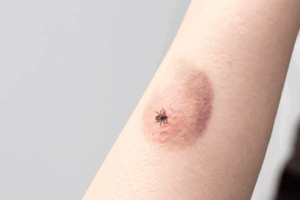
Pests can cause more than inconvenience—they can lead to serious health and property issues:
- Health risks from bacteria, allergens, and bites
- Structural damage caused by rodents and insects
- Food contamination in kitchens and storage areas
- Electrical damage from rodents chewing wires
Addressing pest issues early helps reduce these risks.
Why Utah Homes Are Vulnerable to Pests
Several factors make homes in Utah more susceptible to infestations:
- Seasonal weather changes
- Expanding residential developments
- Proximity to natural landscapes
- Availability of food, water, and shelter
Understanding these vulnerabilities helps homeowners take proactive measures.
Conclusion
Pest control in Utah requires a year-round approach due to seasonal changes and consistent pest activity. From ants and spiders in the spring to rodents seeking shelter in the winter, each season brings its own challenges.
By focusing on prevention, maintaining a clean environment, and staying aware of pest behavior, homeowners can effectively reduce the risk of infestations and maintain a safe, comfortable living space throughout the year.
Next: Monthly vs One-Time Pest Control in Utah: What’s More Cost-Effective?