
Hobo Spiders in Utah: How to Identify, Prevent, and Keep Them Out of Your Home
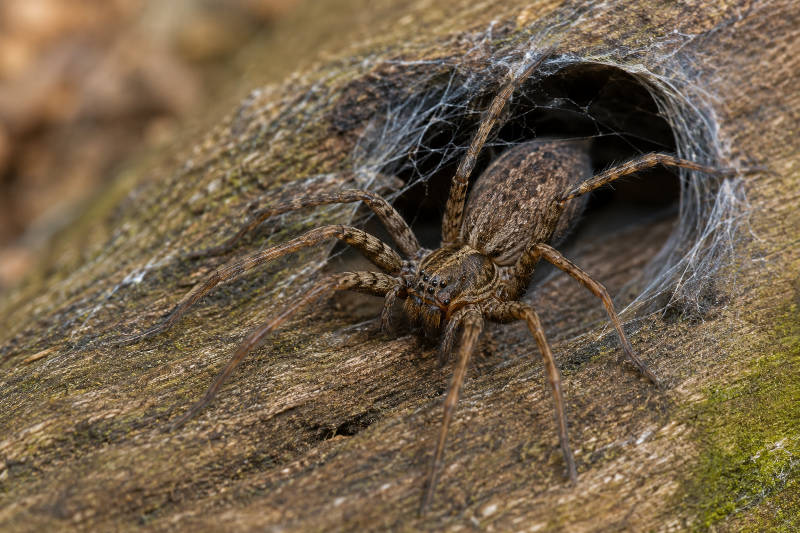
Hobo spiders are a common sight in Utah, particularly during late summer and early fall when they become more active in search of mates. Although they occasionally find their way indoors, they are generally considered a nuisance rather than a significant health concern.
For many years, hobo spiders were believed to cause severe skin damage through their bites. However, current scientific research no longer supports those claims. While hobo spiders can bite if trapped against the skin, most bites result in only mild, temporary symptoms. Even so, homeowners often prefer to keep these spiders outside where they belong.
Understanding how to identify hobo spiders, where they live, and what attracts them can help reduce spider activity around your property.
What Is a Hobo Spider?
The hobo spider (Eratigena agrestis) is a funnel-weaving spider commonly found throughout the western United States, including Utah. It is known for building funnel-shaped webs close to the ground and feeding on insects that become trapped nearby.
Unlike spiders that spin large, sticky webs between trees or ceilings, hobo spiders construct silk retreats in protected areas where they can quickly emerge to capture prey.
Adult males are most often seen indoors during late summer and fall as they wander in search of females, making seasonal encounters more common during this time of year.
How to Identify a Hobo Spider
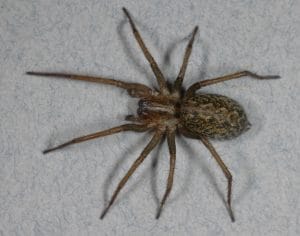
Because many brown spiders share similar features, identifying a hobo spider can be challenging without close inspection. However, several characteristics can help distinguish them.
Common identifying features include:
- Brown to tan body coloring
- Long, slender legs with little to no obvious banding
- Body measuring approximately ½ inch long (larger when including the legs)
- Funnel-shaped webs built along the ground or in corners
- Fast movement when disturbed
Hobo spiders are often confused with other harmless brown spiders. If you’re uncertain about the species in your home, a professional inspection can provide accurate identification.
Are Hobo Spiders Dangerous?
Hobo spiders are not considered medically dangerous to most people.
Earlier reports suggested that hobo spider bites could cause severe tissue damage, but modern research has found little evidence to support this claim. Today, experts generally agree that bites, while uncommon, usually cause mild and temporary symptoms such as:
- Minor redness
- Mild swelling
- Localized discomfort
- Itching or tenderness
Like any spider or insect bite, medical attention should be sought if symptoms worsen, signs of infection develop, or an allergic reaction occurs.
Although hobo spiders are not considered a serious health threat, many homeowners still choose to prevent them from entering their homes for comfort and peace of mind.
Where Hobo Spiders Live
Hobo spiders prefer cool, quiet, and undisturbed environments where they can build their characteristic funnel-shaped webs.
Common locations include:
- Basements
- Crawl spaces
- Garages
- Window wells
- Utility rooms
- Storage areas
- Foundation cracks
- Landscaping around the home’s perimeter
- Wood piles and outdoor debris
They frequently enter homes through small openings around doors, windows, foundations, utility lines, and vents.
Signs of Hobo Spider Activity
While seeing an occasional spider indoors is normal, repeated sightings may indicate favorable conditions around your property.
Common signs include:
- Funnel-shaped webs near foundations or landscaping
- Brown spiders appearing in basements or garages
- Increased spider activity during late summer and fall
- Spider webs in window wells, crawl spaces, or storage areas
- A noticeable increase in insects that serve as food for spiders
Identifying these conditions early can help prevent larger spider populations from developing.
How to Prevent Hobo Spiders
Keeping hobo spiders out of your home begins with reducing entry points and creating an environment that’s less attractive to both spiders and the insects they feed on.
Preventive measures include:
- Seal cracks and gaps around doors, windows, and foundations.
- Install weather stripping and door sweeps.
- Repair damaged window screens.
- Remove clutter from garages, basements, and storage areas.
- Vacuum spider webs regularly.
- Store firewood and lumber away from the home’s exterior.
- Trim shrubs and vegetation away from the foundation.
- Reduce excess moisture around crawl spaces.
- Address insect activity to eliminate a primary food source.
Routine maintenance is one of the most effective ways to reduce spider activity throughout the year.
Professional Hobo Spider Control
While occasional spiders are common, recurring activity may indicate that spiders have established themselves around your property.
Professional spider control focuses on more than simply treating visible spiders. A comprehensive service may include:
- Thorough inspection of the home and surrounding property
- Identification of spider entry points
- Treatment of common harborage areas
- Reduction of insect populations that attract spiders
- Recommendations for long-term prevention
Addressing both spiders and the conditions that attract them provides more effective, lasting results.
Keep Hobo Spiders Out of Your Home
While hobo spiders are generally considered more of a nuisance than a serious health risk, they can still be an unwelcome sight inside your home. Taking preventive steps such as sealing entry points, reducing clutter, and minimizing insect activity can help make your property less inviting to spiders.
If you’re seeing frequent spider activity or would like the confidence of a professional inspection, the team at Beeline Pest Control is here to help. Call (801) 544-9200 or visit our page to learn more about our spider control services or to schedule an inspection.