
Ant Infestation Utah: What Ants Eat & How to Protect Your Property
Key Points
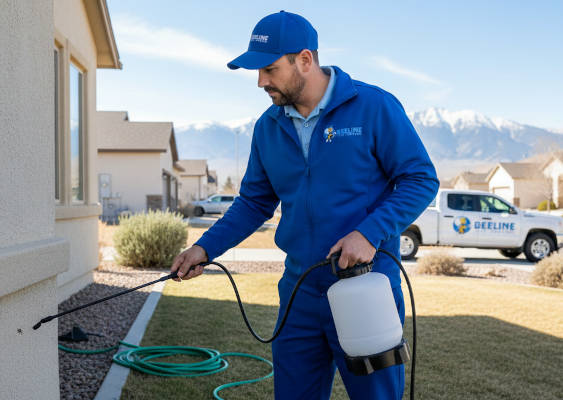
- Ants seek two things: Food and moisture, making kitchens and basements prime targets, especially in Utah’s shifting climate.
- Common Utah Ants: Sugar ants, pavement ants, and carpenter ants are the most frequent invaders of homes and businesses.
- Ant Diet is Varied: They are opportunistic, eating sugars, proteins, fats (like grease), and even dead insects.
- DIY Fails: Surface sprays only kill foragers and won’t eliminate the colony, queen, or larvae, leading to quick re-infestations.
- Professional Solution: Effective control requires targeted baiting based on the ant species’ specific diet and long-term colony elimination.
Introduction
Ant problems in Utah rarely stay small. Whether it’s the first warm week of spring or the last cold snap of fall, ants are constantly searching for the two things they need most: food and moisture. That means Utah homes and businesses—especially kitchens, breakrooms, basements, and food-storage areas—are prime targets.
As any local property owner knows, Utah’s four-season climate forces pests to move indoors when temperatures drop, snow melts, or heat drives them out of dry soil. Understanding what ants eat is the first step in stopping an ant infestation in Utah before it damages your home, threatens sanitation, or harms your business reputation.
This guide explains what draws ants into your property, how their food habits drive infestations, and why Utah Beeline is the trusted expert for Pest Control Utah.
Understanding Utah Pests in Homes and Businesses
Utah’s climate creates powerful seasonal pressure that sends pests—including ants—looking for shelter, food, and water. Across Salt Lake City, Ogden, Provo, and surrounding areas, property owners regularly face:
 Common Utah Pests
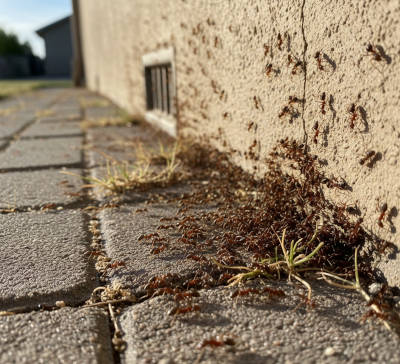
- Ant Infestation Utah: sugar ants, pavement ants, carpenter ants
- Boxelder Bugs: surge during warm fall days
- Spiders: especially in basements and garage corners
- Rodents: seeking warmth in winter and food access in commercial storage
- Wasps & Hornets: active from late spring to early fall
Risks to Homeowners
- Food contamination
- Bites or stings
- Damaged insulation, wiring, or stored goods
- Stress and repeated re-infestations
Risks to Business Owners
- Failed sanitation standards
- Loss of customer trust
- Inventory damage
- Compliance issues for restaurants, warehouses, and retail
Utah State University Extension notes that ant colonies can expand rapidly when food sources are dependable—such as kitchens and storage rooms in Utah properties.
What Ants Eat — The Core of Utah Infestations
Ants are opportunistic feeders, which means they eat nearly anything depending on their species. In Utah, the most common attractants include:
3 Main Food Sources
1. Sugar Sources
- Spilled soda
- Fruit juices
- Crumbs near baseboards
- Overripe fruit on countertops
2. Proteins & Fats
- Pet food
- Meat drippings
- Grease spills
- Dead insects (an important ant food source!)
3. Moisture
Even a few drops of water under a sink can be enough to attract foraging ants.
Because ants communicate through pheromone trails, once one ant finds food, dozens more appear quickly—especially indoors.
Why DIY Fails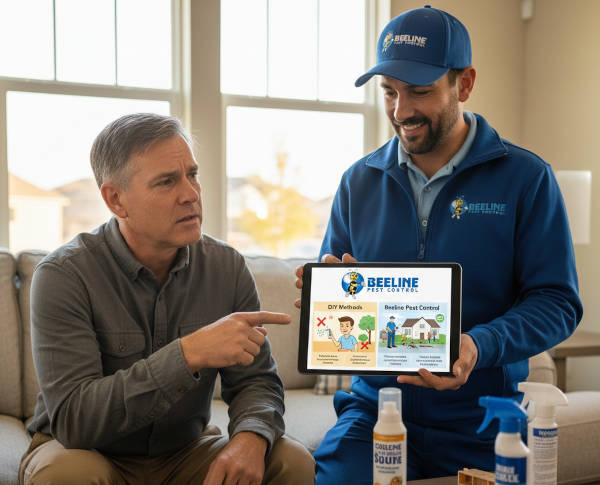
Wiping away visible ants does nothing to the colony. Sprays only kill foragers, not the queen or larvae. Without controlling the source, ants return within days.
💡 Tip: The visible ants are only a small fraction of the colony. Killing a few foragers does not stop the thousands remaining in the nest.
The Utah Beeline Solution
Utah Beeline uses:
- Eco-Friendly Pest Control treatments
- Targeted baiting matched to specific ant diets
- Moisture- and food-source inspections
- Long-term colony elimination, not band-aid wiping
This approach is ideal for:
- Utah homeowners
- Commercial kitchens
- Warehouses
- Office breakrooms
- Retail spaces
Expert Insight: “Most ant infestations start with tiny food traces people don’t even notice. Once we identify what the ants are eating, we can eliminate the colony quickly and safely.” — Certified Utah Beeline Technician
Related Topics Utah Property Owners Ask About
Quarterly Pest Management
Utah’s seasons make year-round protection essential. With Utah Beeline’s Quarterly Pest Management, technicians treat common entry points like:
- Eaves and soffits
- Foundation cracks
- Basement vents
- Commercial storage areas
This prevents ants, spiders, wasps, and rodents from taking hold.
General vs. Specialized Services
While general pest control handles seasonal invaders, specialized treatments address:
- Rodent control
- Termite inspections
- Bed bug elimination
- Commercial compliance and sanitation needs
Eco-Friendly Pest Control
Modern Utah Beeline solutions use products approved by the EPA (https://www.epa.gov) to protect families, pets, and customers. These treatments target pests strategically without affecting property safety.
Proactive Tips for a Pest-Free Space
For Utah Homes
- Seal gaps around plumbing lines and utility penetrations
- Use dehumidifiers in basements and crawl spaces
- Wipe counters immediately after spills
- Store pantry items in airtight containers
💡 Tip: Before the first frost, inspect window screens and door seals to prevent fall rodent and ant entry.
For Utah Businesses
- Maintain proper waste management
- Keep inventory off walls and floors
- Seal foundation and dock-level entry points
- Sanitize breakrooms daily
DIY vs. Expert Protection
While homeowners can wipe counters, seal cracks, and clean spills, only licensed experts can safely eliminate entire colonies.
DIY Limitations
- Kills only surface-level ants
- Misses hidden colonies
- Cannot identify species-specific food behavior
- Often leads to repeated infestations
Expert Quote: “Our local experience is what sets us apart. We know how ants behave in Utah soil, foundations, and seasonal patterns—and that helps us wipe out colonies fast.” — Utah Beeline Senior Technician
Why Utah Beeline Is Different
Benefits of choosing Utah Beeline:
- Kid- and pet-safe treatments
- Local knowledge of Utah-specific ant species
- Guaranteed long-term results
- Protection for food-handling businesses and homes
Utah Beeline Property Protection Plans
Quarterly Maintenance Program
A year-round defense system that protects against ants, spiders, wasps, rodents, and more. Ideal for both Utah Homes and Utah Businesses.
Free Inspection
A trained technician examines the foundation, landscaping, entry points, crawl spaces, and moisture zones.
Service Areas: Salt Lake City, Ogden, Provo, Lehi, Draper, and surrounding Wasatch Front communities.
Safety & Compliance Assurance
All Utah Beeline treatments are: EPA-approved; Safe for children, pets, and customers; Applied by licensed Utah technicians; Designed for food-service compliance.
Conclusion
Understanding what ants eat is the key to stopping an Ant Infestation Utah before it spreads. Whether it’s sugar, protein, grease, or moisture, ants will exploit even the smallest food source—making professional help essential.
Utah Beeline has protected homes and businesses since 1997 with safe, effective, and locally trusted pest solutions.
Don’t let ants or other pests compromise your property. Contact Utah Beeline today for a free inspection and guaranteed protection.
Don’t let ants or other pests compromise the safety and reputation of your property. Choose the local expertise trusted by over 4,400 satisfied customers. Since 1997, Beeline has been Utah’s favorite locally owned pest control company, providing guaranteed, safer treatments for your kids and pets. Stop the infestation today—visit BeelinePestControl.com or call us at (801) 544-9200 for your guaranteed solution.