
What Is an Ant’s Worst Enemy? A Friendly Guide to the Predators of Ants
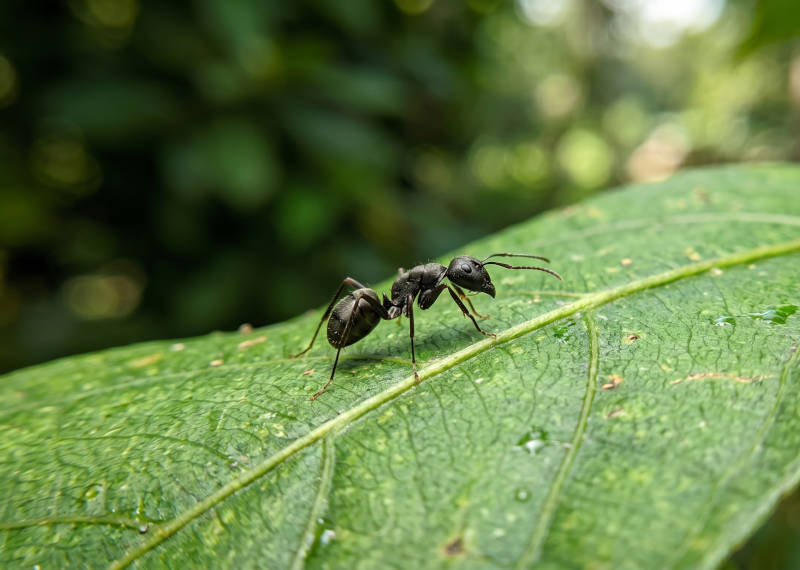
If you’ve ever watched an ant trail cutting across your patio, you might wonder: what keeps ant populations in check? The short answer: ants have a lot of natural enemies, predators, parasites, and even other ants that constantly pressure their colonies. There isn’t just one “worst enemy” for every ant species, but several that stand out for how effectively they hunt, parasitize, or disrupt ant colonies.

Seeing trails today? Schedule your ant inspection with Beeline—quick, professional, and family-safe solutions.

Ant Enemies 101: There’s No Single “Worst” Predator

Across the world, ants face danger from above, below, and even from within the nest. Birds (especially woodpeckers like the northern flicker), reptiles, toads, spiders, antlions, parasitic wasps, phorid flies, specialized fungi, and ant-eating mammals all eat ants or attack their brood (eggs, larvae, and pupae). Which threat is “worst” depends on the ant species, habitat, and season. For example, fire ants are uniquely harassed by phorid flies that dive-bomb workers to lay their eggs, while woodland carpenter ants are a favorite snack for flickers and pileated woodpeckers.

Heavy Hitters: The Natural Enemies That Ants Fear Most

1) Phorid (Decapitating) Flies vs. Fire Ants
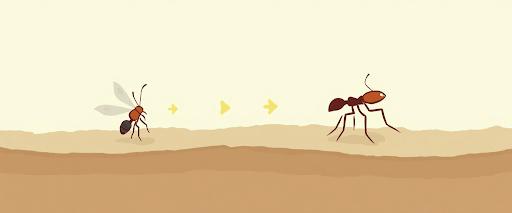
A simple illustrative diagram showing the transition from a winged reproductive ant to a wingless worker ant.

If you’re asking about the “worst enemy” of fire ants, the crown often goes to phorid flies (genus Pseudacteon). These tiny “kamikaze” flies deposit an egg in a worker ant; the larva develops in the ant’s head and ultimately kills it, often decapitating the host, while the mere presence of flies stops ants from foraging or defending mounds. They’re so disruptive that researchers have released them as biocontrol agents in some regions to help manage invasive fire ant populations.

Got fire ant mounds? Book a targeted treatment with Beeline before they spread.

2) “Zombie-Ant” Fungi (Ophiocordyceps)

Some fungi don’t just infect ants—they control their behavior. The Ophiocordyceps unilateralis group compels an infected worker to climb and clamp its jaw onto vegetation in a “death grip,” creating the perfect spot for the fungus to fruit and release spores over more ants. It’s a classic (and chilling) example of a parasite shaping ant behavior to spread through the colony’s environment.

3) Parasitoid Wasps That Target Ant Brood

Families such as Eucharitidae specialize in ants: adult wasps lay eggs on plants; the first-instar larvae hitchhike on foraging ants into the nest, then parasitize ant larvae/pupae. These wasps are highly host-specific and can quietly siphon off future workers, weakening ant colonies over time.

4) Antlions (Larval Stage)
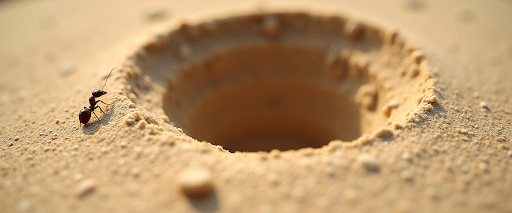
A close-up view of an ant crawling near the entrance of an underground nest in dry, sandy soil.

In sandy corners of yards, those neat little cones are antlion traps. The antlion larva sits at the bottom, flicking sand to make the walls collapse so ants tumble down—once seized, the prey rarely escapes. Adults resemble damselflies, but it’s the pit-building youngsters that are relentless predators of ants.

5) Birds and Mammals That Eat Ants

Woodpeckers (notably the northern flicker and pileated woodpecker) consume large numbers of ants—often carpenter ants—and can make up a big portion of their diet. In the tropics, specialist mammals like anteaters use long sticky tongues to hoover up thousands of ants and termites. These vertebrate predators can give local ant numbers a serious reality check.

6) Other Ants
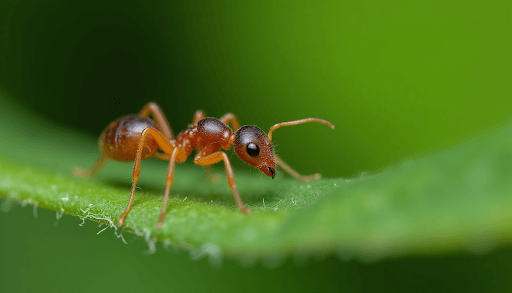
A detailed macro shot of a brown ant on a bright green leaf, useful for pest identification and educational biology content.

“Ants’ worst enemy can be… other ants.” Army ants raid and eat other species; slave-making (dulotic) ants raid neighboring nests to steal brood, crippling rival colonies. Inter-ant warfare is a major natural force that shapes ant communities.

Why These Enemies Matter for Homeowners

All these natural enemies help limit ant populations in the wild, but around homes and businesses, ants can still become a pest problem. You’ll see seasonal surges, nuptial flights, or trails coming in for food and water. That’s why effective control blends smart prevention (sanitation, moisture control, sealing entry points) with targeted treatments rather than relying on nature alone. (For carpenter ants, for example, moisture-damaged wood is a key risk factor.)

What This Means for Your Property

Natural enemies are amazing, but they won’t protect your kitchen or office on their own. If you’re dealing with a trail, nest, or recurring indoor activity, pair prevention with professional help—inspection, identification (which ant species?), and strategically placed baits or treatments. Beeline Pest Control can pinpoint the source and choose methods that actually work for your situation.

Frequently Asked Questions

K
L
1) What is the single worst enemy of ants?
There isn’t a universal “worst” enemy—different ants face different top threats. For fire ants, phorid flies are especially devastating; in forests, Ophiocordyceps fungi can be game-changers. If ants are invading your home, the most effective “enemy” is a professional plan—contact Beeline Pest Control for a tailored solution.
K
L
2) Do phorid flies really decapitate fire ants?
Yes. Female phorid flies inject an egg into a fire ant; the larva develops and eventually kills the worker, often leading to decapitation, and even the flies’ presence can suppress foraging. If you’re battling fire ants on your property, call Beeline Pest Control to discuss proven, localized control options.
K
L
3) What animals eat ants around homes and yards?
Common predators include birds (woodpeckers), small reptiles, amphibians, and plenty of insects like spiders and antlions. In tropical regions, anteaters also consume huge numbers of ants. Natural predation helps, but for indoor trails or yard mounds, Beeline Pest Control can design a plan that works.
K
L
4) Are antlions harmful, and do they only eat ants?
Antlions are beneficial predators; their larvae dig pits to trap ants and other small insects. They don’t damage structures or people and can help limit local ant activity in sandy soil. For structural or indoor ant issues, schedule an inspection with Beeline Pest Control.
K
L
5) Do any fungi attack ants?
Yes—Ophiocordyceps fungi famously infect ants and manipulate behavior so the ant dies in a position ideal for spore release. While dramatic in nature, fungi aren’t a practical home control method. If ants are active inside, Beeline Pest Control can help with targeted treatments.
K
L
6) Which birds are the biggest ant eaters?
Woodpeckers—especially the northern flicker and pileated woodpecker—consume large numbers of ants, often carpenter ants. In some seasons, ants can make up a big chunk of their diet. Predators won’t fix an infestation indoors—contact Beeline Pest Control for professional help.
K
L
7) Do spiders hunt ants or avoid them?
Both. Some spiders prey on ants, while others avoid ant-rich spots or even mimic ants to evade ant aggression and other predators. If you’re seeing both ants and spiders, a balanced approach works—ask Beeline Pest Control for an integrated plan.
K
L
8) Can other ants wipe out a colony?
Yes—army ants can prey on other ants, and slave-making ants raid nests to steal brood, crippling neighbors. Inter-ant conflicts can reshape local communities. If warring ants are now invading your kitchen, Beeline Pest Control can target the right species for control.
K
L
9) How do parasitoid wasps attack ant nests?
Many Eucharitidae wasps lay eggs on plants; their hitchhiking larvae ride foragers into the nest and parasitize larvae/pupae. Host specificity is common, so each wasp species tends to target certain ants. Parasitoids won’t solve a home infestation—call Beeline Pest Control for effective, safe treatments.
K
L
10) Are anteaters a real threat to ants?
Absolutely. Anteater species are specialist insectivores with long sticky tongues adapted to consuming large quantities of ants and termites in the tropics. They’re fascinating—but not a suburban control tool; for practical results, contact Beeline Pest Control.
K
L
11) Do antlions explain the little cones in my sandy garden?
Likely yes. Those inverted cones are pits dug by antlion larvae to trap ants; they’re a natural part of local food webs. For ant activity in or near your home, Beeline Pest Control can focus on the invasive or structural species causing trouble.
K
L
12) What reduces ant foraging the fastest in nature?
For fire ants, even the presence of phorid flies can stop workers from foraging and defending mounds. Predation pressure from birds and antlions also matters, but effects are patchy. If foraging trails lead indoors, Beeline Pest Control can interrupt them quickly with targeted baiting.
K
L
13) Are there chemicals that make ants avoid predators?
Yes—ants use alarm and defensive chemicals; some spiders even coat webs with compounds that ants avoid. This chemical arms race is one reason many predators tread carefully around ants. When DIY deterrents fall short, book a visit with Beeline Pest Control.
K
L
14) Do birds actually dig into wood to reach carpenter ants?
They can. Woodpeckers will pry into damaged or infested wood to reach carpenter ant brood and workers, which is why you may see chips or peck marks near infested areas. For long-term protection of your structure, Beeline Pest Control can inspect and treat the source.
K
L
15) What’s the best way to stop ants at my property—predators or pros?
Predators help outdoors, but they’re unpredictable and won’t clear indoor issues. The best solution is a professional inspection, correct identification, and a plan using baits and targeted treatments tailored to your ant species and nest locations. Contact Beeline Pest Control today for fast, effective ant control backed by science.