
Common Spiders in Utah: Identification, Safety & Prevention
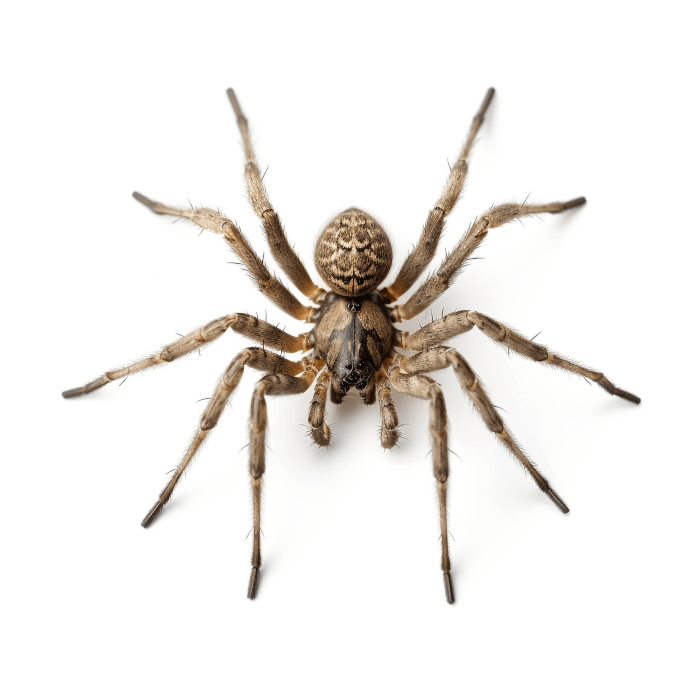
Spiders play an important role in Utah’s ecosystem by helping control insect populations. While most species are harmless and prefer to avoid people, it’s understandable that homeowners don’t want spiders living inside their homes. Learning to identify Utah’s most common spiders can help you better understand which species are beneficial, which deserve extra caution, and when professional spider control may be helpful.
Below are some of the spider species most commonly found throughout Utah.
Western Black Widow Spider

The western black widow is the spider of greatest medical concern in Utah. Although bites are uncommon, they can occur if the spider is accidentally disturbed or trapped against the skin.
Identification
Western black widows are recognized by:
- Shiny black body
- Distinctive red or orange hourglass marking on the underside of the abdomen
- Rounded abdomen
- Females measuring about ½ inch long (excluding the legs)
Habitat
Black widows prefer dark, undisturbed locations such as:
- Garages
- Crawl spaces
- Sheds
- Window wells
- Wood piles
- Rock piles
- Outdoor furniture
- Utility boxes
Are They Dangerous?
Yes. Although black widow bites are rarely life-threatening, their venom can cause significant symptoms, including muscle pain, cramping, abdominal pain, sweating, nausea, and weakness. Anyone who suspects a black widow bite should seek prompt medical evaluation, especially children, older adults, and individuals with underlying health conditions.
Hobo Spider
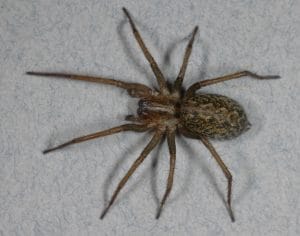
Hobo spiders are common throughout Utah and are frequently found around homes during late summer and early fall. They are often misunderstood due to outdated information about their bites.
Identification
Hobo spiders typically have:
- Brown to tan coloring
- Long, slender legs
- Funnel-shaped webs built close to the ground
- Fast movement when disturbed
Habitat
They commonly live in:
- Basements
- Crawl spaces
- Garages
- Foundation cracks
- Window wells
- Landscaping near the home’s perimeter
Are They Dangerous?
Current scientific evidence indicates that hobo spiders are not considered medically dangerous to most people. While they can bite if trapped against the skin, bites are uncommon and generally cause mild, temporary symptoms such as redness, swelling, or localized discomfort. Most homeowners consider hobo spiders a nuisance rather than a serious health threat.
Wolf Spider
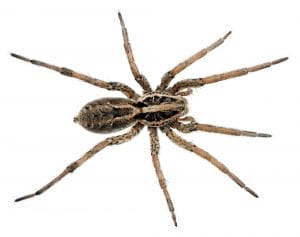
Wolf spiders are one of Utah’s largest and most recognizable spiders. Instead of building webs to catch prey, they actively hunt insects on the ground.
Identification
Wolf spiders are known for:
- Brown, gray, or dark patterned bodies
- Hairy appearance
- Long, powerful legs
- Excellent speed and eyesight
Habitat
They are commonly found in:
- Lawns
- Gardens
- Landscaped areas
- Garages
- Basements
- Around foundations
Are They Dangerous?
Wolf spiders are generally harmless to people. Although they can bite if handled, bites are uncommon and usually result in mild irritation. They help reduce insect populations and are considered beneficial predators.
Jumping Spider
Jumping spiders are small, active hunters that are often recognized by their quick movements and large forward-facing eyes.
Identification
Characteristics include:
- Compact body
- Large front eyes
- Short, sturdy legs
- Black, gray, brown, or brightly colored markings depending on the species
Habitat
Jumping spiders are often seen:
- Around windows
- On exterior walls
- In gardens
- On fences
- Inside homes where insects are present
Are They Dangerous?
No. Jumping spiders are not considered medically significant and rarely bite people. They are beneficial because they feed on flies, mosquitoes, and other insects.
Cellar Spider
Often called “daddy longlegs spiders,” cellar spiders are commonly found inside homes where they build loose, irregular webs.
Identification
They are easy to recognize by:
- Extremely long, thin legs
- Small, light-colored body
- Delicate appearance
Habitat
Common locations include:
- Basements
- Crawl spaces
- Garages
- Storage rooms
- Ceiling corners
Are They Dangerous?
Cellar spiders are harmless to people and are considered beneficial because they feed on insects and other spiders.
Orb Weaver Spider
Orb weavers are among Utah’s most recognizable garden spiders due to the large circular webs they build outdoors.
Identification
Orb weavers often have:
- Rounded abdomen
- Orange, brown, yellow, or gray coloring
- Large circular webs
Habitat
They are commonly found in:
- Gardens
- Shrubs
- Trees
- Porches
- Around outdoor lighting
Are They Dangerous?
Orb weavers are not considered dangerous to people. They rarely bite and provide valuable natural pest control by capturing flying insects.
How to Help Prevent Spiders Around Your Home

Most spiders enter homes while searching for food, shelter, or mates. Taking a few preventive measures can help reduce spider activity around your property.
Helpful prevention tips include:
- Seal cracks and gaps around doors, windows, and foundations.
- Install door sweeps and repair damaged screens.
- Reduce clutter in garages, basements, and crawl spaces.
- Store firewood away from your home’s exterior.
- Trim shrubs and vegetation away from the foundation.
- Vacuum webs regularly.
- Reduce outdoor lighting that attracts insects.
- Address insect activity, which removes a primary food source for spiders.
Regular home maintenance can go a long way toward keeping spiders outdoors where they belong.
Professional Spider Control in Utah
Occasionally finding a spider indoors is normal, especially during seasonal changes. However, recurring spider activity may indicate that your home provides easy access or abundant insect populations.
Professional spider control focuses on identifying entry points, treating areas where spiders are active, and reducing the conditions that attract them. A comprehensive pest management plan can help provide long-term protection against spiders and many other common household pests.
At Beeline Pest Control, our experienced technicians understand the habits of Utah’s most common spider species and provide customized treatment solutions tailored to your home’s specific needs. Whether you’re dealing with black widows, hobo spiders, or other nuisance spiders, we’re here to help you maintain a safer and more comfortable home.
If you’d like additional information about spider prevention or professional spider control, call (801) 544-9200 or visit our page to schedule an inspection with Beeline Pest Control.