Key Takeaways

  • Utah’s intense four-season climate drives predictable pest cycles, causing a major surge in aggressive wasp and hornet activity during the late summer heat.
  • Structural weak spots like open roof eaves, unsealed soffits, and backyard sheds serve as prime nesting sites for queen wasps emerging in early spring.
  • DIY removal methods often fail and present serious safety risks due to painful defensive stings and residual pheromones that draw future queens back.
  • A proactive, Eco-Friendly pest control strategy like a seasonal maintenance program protects families, pets, and commercial reputations along the Wasatch Front.

Introduction: The Seasonal Stinger Challenge along the Wasatch Front

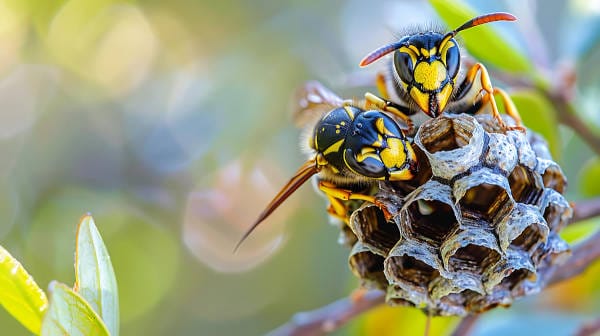
When the winter snow packs up and melts off our beautiful Utah mountains, property owners across Salt Lake City, Ogden, and Provo rejoice. But that early spring warmth triggers another major biological event: the emergence of overwintering queen wasps looking for a cozy spot to start a colony. By the time the late summer heat peaks, a small, hidden nest can explode into hundreds of aggressive yellowjackets or paper wasps, threatening your backyard barbecues or driving away customers from your outdoor commercial patio.

Protecting your property takes more than just knocking down nests with a hose. To shield your family, pets, and business reputation from painful stings and structural hazards, you need a smart, preventative deterrent strategy. Partnering with a trusted local team for proactive pest control in Utah ensures your home or business stays safe, allowing you to enjoy Utah’s beautiful seasons without looking over your shoulder for stinging insects.

Section 1: Understanding the Pests in Utah Homes and Businesses

The dramatic four-season climate in Utah creates unique behavioral cycles for common pests. While fall and winter drop temperatures and drive rodents like mice and voles, or pests like boxelder bugs and aggressive black widow spiders, into dark crawl spaces and foundations for warmth, the hot summers see a massive boom in stinging insects.

The threat profile looks entirely different depending on your property type:

  • For Homeowners: Stinging insects present direct health risks. A single sting is incredibly painful, but for a family member with a severe allergy, it can quickly escalate into a medical emergency. Furthermore, secondary winter pests like rodents can chew through structural wiring, creating fire hazards right under your roof.
  • For Business Owners: A prominent wasp nest near a commercial entry door or restaurant dining terrace damages your hard-earned reputation. It compromises health compliance codes and creates liability concerns for employees working around loading docks, manufacturing spaces, or warehouses.

Callout: According to research from Utah State University Extension, social wasps become increasingly protective and aggressive toward late summer as their natural food sources decline, leading to heightened human-pest conflicts.

Section 2: 5 Things That Attract Wasps and How to Keep Them Away

Wasps are naturally drawn to specific structural and environmental features on our homes and commercial buildings. They look for highly sheltered, elevated spaces that shield their delicate paper nests from the wind and intense Utah downpours, along with easy access to nourishment.

The Top 5 Wasp Attractants on Your Property

  1. Protected Overhangs: Your roof’s eaves, soffits, and underlying porch structures look exactly like the natural cliff faces these insects instinctively seek out.
  2. Accessible Voids: Unsealed gaps around utility pipes, roof trim lines, vents, and siding provide hidden passages straight into wall interiors and attics.
  3. Sweet and Protein Food Sources: Open garbage bins, outdoor pet food bowls, and fallen orchard fruit provide an endless buffet for a growing colony.
  4. Standing Water Sources: Clogged gutters, birdbaths, and leaking outdoor spigots give wasps the water they need to mix with chewed wood to create their paper nests.
  5. Residual Pheromone Scents: Old nesting sites leave behind invisible chemical markers that act as a beacon for incoming queens next season.

Why DIY and In-House Efforts Fall Short

Many well-meaning homeowners grab a can of retail freeze spray, believing the issue is solved once the nest drops. However, retail sprays rarely penetrate deep inside larger nests. More importantly, wasps leave behind persistent chemical pheromone trails on the wood or stucco surface. If those organic markers aren’t completely neutralized by specialized treatments, a new queen will find the same spot next spring and rebuild.

Expert Quote: “We regularly see homeowners try to wash down mature nests with high-pressure hoses,” shares a licensed Utah Beeline field technician. “All that does is agitate hundreds of defensive wasps simultaneously. Our specialized truck-mounted equipment allows us to safely reach high rooflines, clean away nests completely, and treat the surrounding materials so the colony doesn’t return.”

The professional team at Utah Beeline addresses this core problem by applying a safety-focused preventative boundary treatment. We strip away lingering chemical footprints and coat high-risk zones like eaves and window frames with a long-lasting deterrent barrier, ensuring queens move away from your structural walls.

How to deter wasps from your house and prevent nests 2
How to Deter Wasps from Your House and Prevent Nests 3

Section 3: Related Topics Property Owners Often Ask About

A common misconception is that pest management is only necessary when bugs are visibly crawling around. In reality, a truly effective defense relies on consistent, year-round maintenance to stop problems before they develop.

The Value of Quarterly Pest Management

Pest pressures shift with the calendar. A single, one-time spray might kill the bugs present on that specific afternoon, but it won’t stop the next wave of seasonal invaders. A proactive Quarterly Pest Management strategy addresses the shifting lifecycles of local pests by maintaining a continuous protective barrier around your perimeter.

SeasonPrimary Target Pests in UtahFocus Areas
SpringEmerging wasp queens, early antsEaves, perimeter foundation, landscaping
SummerActive wasp nests, boxelder bugs, spidersStructural high points, patios, decks
FallInvading rodents, overwintering spidersSealing gaps, crawl space entry doors
WinterInterior mice, voles, hidden insectsAttic inspections, internal monitoring stations

Defining True Eco-Friendly Pest Control

Modern property owners want a yard free of painful stingers, but they don’t want to flood their living spaces with harsh chemicals. By following the Integrated Pest Management framework recommended by the U.S. Environmental Protection Agency (EPA), professional exterminators focus heavily on mechanical fixes – like sealing cracks – alongside targeted, low-toxicity botanical barriers. This delivers maximum pest protection with minimal impact on our beautiful local environment, with true Eco-Friendly pest control.

How to deter wasps from your house and prevent nests 3
How to Deter Wasps from Your House and Prevent Nests 4

Section 4: DIY vs. Expert Protection with Utah Beeline

Choosing a professional service delivers key advantages that retail products simply cannot match:

  • Pet-Friendly Pest Control: Our targeted application techniques ensure that once our products have dried, they are completely safe for your dogs, cats, and little family members.
  • Pinpoint Entry Mapping: Professionals know how to identify hidden entry paths – like weep holes in brick siding or gaps in commercial roofing – that the untrained eye easily misses.
  • Guaranteed Long-Term Results: If seasonal pests break through the perimeter barrier between your scheduled quarterly visits, our team returns to address the issue at no additional cost to you.

Myth vs Fact Comparison:

Myth: Spiders and wasps completely die off and disappear in the winter.

Fact: Overwintering queens and adult spiders seek out insulated basements, attics, and wall voids, waiting to emerge the moment spring temperatures rise.

Section 5: Utah Beeline Property Protection Plans

Utah Beeline tailors pest solutions specifically to the unique architecture and local climate challenges of the Wasatch Front. Whether you need to secure a cozy mountain home or a large commercial distribution warehouse, our customized strategies ensure total peace of mind.

  • Residential Services: We focus heavily on sweeping away cobwebs, safely removing wasp nests, and treating foundations, eaves, and backyard playsets to keep your family’s living areas completely secure.
  • Commercial Pest Control: Designed with your business reputation and strict regulatory compliance in mind. We provide discreet, highly effective pest management for restaurants, offices, and logistics hubs to protect your brand and maintain clean, sanitary work environments.

Every long-term plan begins with a thorough property inspection, mapping out your structure’s unique vulnerabilities so we can build a strong, customized defensive shield.

Section 6: Safety and Compliance Assurance for All Properties

Callout: Are professional pest control treatments safe for my children and pets?

Yes, absolutely. At Utah Beeline, your family’s health and safety are our highest priorities. All materials we utilize are carefully selected, EPA-approved, and applied strictly according to rigorous professional safety standards. Once our targeted perimeter applications dry completely, they leave zero airborne residues – making them perfectly safe for active children, family dogs, cats, and commercial customers alike.

Section 7: Proactive Tips for a Pest-Free Environment

Residential Property Tips

  • Sanitize Outdoor Trash Cans: Frequently wash out your bins to remove sweet soda spills or protein grease that strongly attract hungry foraging wasps.
  • Pick Up Fallen Fruit: If you have backyard apple, peach, or pear trees, gather up dropped fruit immediately before it ferments on the grass.
  • Inspect Door Sweeps: Ensure your exterior doors fit tightly against the floor. A tiny gap is all a mouse or spider needs to slide inside.

Tip: Clear standing water from clogged gutters, birdbaths, and plant saucers to eliminate easy water sources for nesting insects before the late-summer heat peaks.

Commercial Property Tips

Screen Intake Vents: Install fine stainless steel wire mesh over roof vents and HVAC intake pipes to prevent hornets from nesting deep inside structural ductwork.

Manage Landscaping Overgrowth: Keep tree branches, ivy, and shrubs trimmed back at least two feet from your exterior walls to prevent easy bridges onto roof eaves.

Seal Trash Dumpster Lids: Keep commercial dumpsters shut tight and schedule regular structural power-washes around loading pad areas.

Conclusion: Protect What Matters Most with Utah’s Experts

Don’t let aggressive wasps or seasonal pests compromise your property’s safety, family comfort, or business success. Investing in a professional, proactive pest defense strategy is the most reliable way to maintain a safe, welcoming, and value-protected environment all year long. Partner with the local team that understands exactly what it takes to shield Utah structures through every seasonal shift.

Utah’s Favorite Pest Control Company

  • Serving Utah Since 1997
  • Locally owned and operated
  • Top rated with over 4,400 five-star reviews!
  • Safer pest control treatment for kids and pets

To find out more about our residential pest control services and commercial pest control services, click the links or visit our Contact Us page and fill out our form or call us at (801) 544-9200.

Frequently Asked Questions

5 things that attract wasps and how to keep them away

Wasps are drawn to properties by exposed food scraps, sweet beverage spills, ripening fallen tree fruit, easily accessible standing water, and sheltered architectural alcoves. To keep them away, ensure trash lids fit securely, harvest backyard fruit promptly, and contact Utah Beeline to apply professional, long-lasting preventative perimeter barriers.

How do you prevent wasps from building a nest?

The best way to stop wasps from nesting is to have Utah Beeline treat your high-risk structural areas, like roof eaves and soffits, with a professional residual barrier early in the spring. Sealing minor exterior siding gaps and removing old, abandoned nesting materials also discourages new queens from settling down on your home.

How to deter wasps?

You can deter wasps by removing their primary food sources, keeping trash bins clean, and addressing standing water around your property. For reliable, season-long protection, setting up a regular preventative maintenance program with Utah Beeline creates an invisible, uninviting barrier that keeps wasps away.

How to deter wasps from house?

To keep wasps off your home’s exterior, keep window screens in good repair, fill cracks along fascia boards with high-quality caulk, and ensure your porch areas are kept clean. Applying an expert-grade micro-encapsulated treatment from Utah Beeline along your roofline provides the ultimate defensive line.

How to discourage wasps?

Discouraging wasps involves keeping your landscaping manicured and ensuring no open protein or sugar food sources are left outdoors. Routine preventative visits from the experienced team at Utah Beeline will actively disrupt the seasonal cycles of foraging queens before they establish active colonies.

How to keep wasps from building nests?

Keep wasps from starting nests by monitoring your property’s eaves closely during the early spring and using professional treatments to repel founding queens. Utah Beeline technicians use specialized tools to safely treat high-reaching structures, ensuring that early nest-building behavior is stopped immediately.

How to keep wasps from coming back?

Wasps leave behind durable chemical pheromones that guide future queens back to successful nesting spots year after year. To stop this recurring cycle, Utah Beeline thoroughly clears old nest debris and applies a professional neutralizing barrier that breaks their navigation habits.

How to prevent wasps?

Preventing wasps effectively requires combining diligent yard sanitation with targeted, preventative perimeter applications. Keeping outdoor spaces clear of debris and setting up year-round protection with Utah Beeline ensures your yard stays comfortable and stinger-free.

How to prevent wasps and hornets?

Both wasps and hornets can be prevented by screening attic vents, capping open pipe entries with mesh, and treating sheltered outdoor areas before populations peak. Partnering with Utah Beeline for structural barrier treatments ensures both species find your property completely unappealing.

How to prevent wasps from coming back?

To ensure wasps do not return next summer, old structural nesting zones must be thoroughly treated to wash away lingering attractants. Utah Beeline’s seasonal barrier programs maintain a continuous line of defense that keeps new queens from re-colonizing old territory.

How to prevent wasps from nesting?

Preventing nesting behavior requires a proactive strategy that addresses high-risk zones on your home before colonies grow large. Utah Beeline specializes in early-season treatments that prevent founding queens from anchoring their initial paper combs to your siding or eaves.

How to prevent wasps from returning?

The most dependable method to keep wasps from returning is maintaining an active defensive perimeter through all four seasons. A Quarterly Pest Management plan from Utah Beeline keeps your property protected against returning wasps, overwintering spiders, and invading rodents.

Next: The Truth About Vinegar and Ant Control: A Utah Property Owner’s Guide

Go to homepage